



How telemedicine, digital health can bridge Nigeria’s healthcare gaps
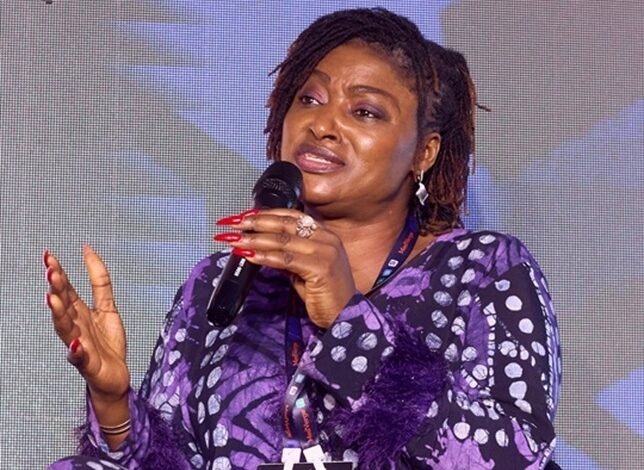

When Funmi Adewara, a physician, fell seriously ill as a child in Kaduna State, the medicine that would save her life was not available in the city.
Doctors were on strike, and the drug had to be brought from Lagos State before she could receive treatment.
“I could hear the wailing of mothers, families who lost their loved ones, the smell of the hospital and the sight of corpses wheeled out”
“Imagine these conflicts. But if we didn’t make it. I would have become one of the statistics today,” she said.
Related Posts:
- FULL TEXT: Dapo Olorunyomi’s lecture at Ajayi Crowther University on Nigerian journalism
- From Borno to Oriire: 2,573 abducted in 31 violent Nigerian school attacks over 12 years
- Between School and Survival: Why many girls in Oyo State are still missing class
- In Nigeria, high treatment costs, neglect push Lupus patients to the brink
That experience, Ms Adewara said, shaped her decision to study medicine and later work towards improving healthcare access in Nigeria.
Ms Adewara, who is the founder and Chief Executive Officer of MOBI Health International said her childhood experiences in hospitals, followed by years of medical practice in Nigeria and the United Kingdom, exposed her to the wide differences in healthcare access based on where people live.
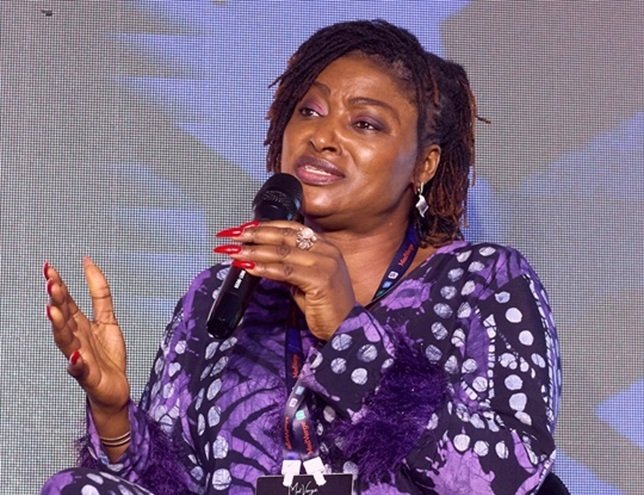
She shared the experience at MedVerge, a health and technology event recently organised by HelpMum, Dobic Health and SmartMRS in Lagos, where speakers examined how telemedicine, artificial intelligence and digital records could help address some of Nigeria’s persistent healthcare challenges.
Ms Adewara said her experience working in the UK also showed how geography, infrastructure and financing create different healthcare realities for patients.
“In the National Health Service (NHS), a mother doesn’t need to contend with, will there be electricity when I go to the hospital to give birth? Who is going to pay for my care? Will there be blood? Is that blood safe?” she said.
In Nigeria, she said, patients often face additional barriers, including delays, inadequate infrastructure and poor experiences with healthcare workers.
Telemedicine offers way to bridge healthcare workforce gap
According to Ms Adewara, Nigeria’s healthcare crisis is not only a shortage of doctors but also their uneven distribution across the country.
She said Africa carries about 25 per cent of the world’s disease burden but has only about three per cent of its doctors, while Nigeria has less than 10 per cent of the doctors it needs.
She cited the World Health Organisation’s recommended ratio of one doctor to 600 people, compared with an estimated ratio of one doctor to 10,000 people in Nigeria.
“So every time you want to see a doctor, you’re competing with 10,000 others who want to see a doctor,” she said.
The situation, she added, is worsened by the migration of doctors, nurses, pharmacists and other healthcare professionals in search of better working conditions and remuneration.
Ms Adewara described insecurity and poor remuneration as some of the factors pushing healthcare workers out of the country, while better wages abroad act as a pull factor.
Even increased funding, she said, would not immediately solve the workforce shortage because it takes years to train specialist healthcare professionals.
“It still takes about 12 years for you to get a consultant, a specialist,” she said, arguing that technology could help bridge some of the gaps while the country works to strengthen its healthcare workforce.
Ms Adewara said telehealth could provide a practical response by allowing healthcare professionals to provide care remotely.
“Telehealth means using modern-day technology to provide clinical care to patients remotely,” she said, explaining that telemedicine is part of the broader telehealth concept, which also covers remote monitoring and patient education.
She said she began working in telemedicine in 2017 after completing a master’s degree in Bioscience Enterprise at Cambridge, where she studied how scientific innovations could be taken to scale.
Her decision, she said, was influenced by Nigeria’s growing adoption of mobile technology and the need to use existing digital infrastructure to expand healthcare access.
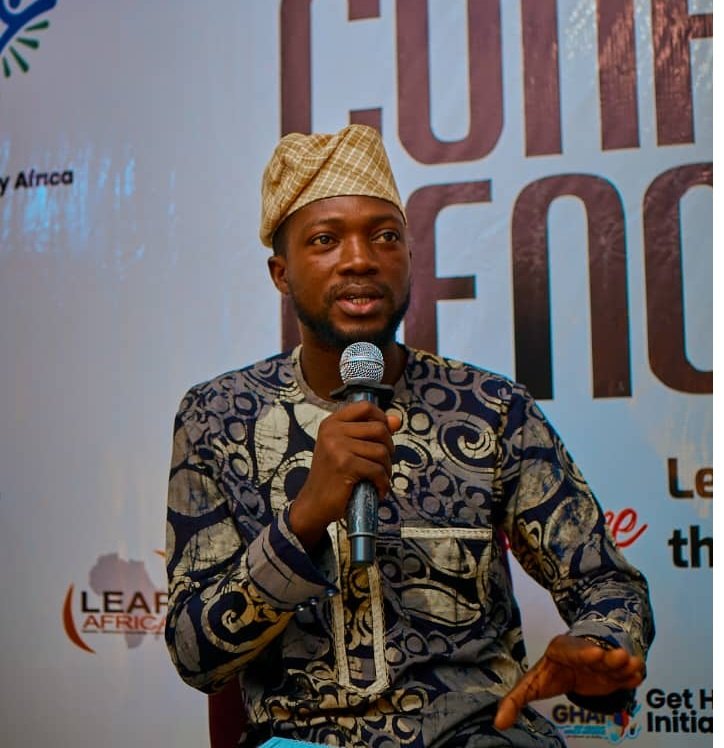
The moderator, Ajibade Abdulquddus, AI Advisor at HelpMum Africa, had asked how artificial intelligence could be used to support remote patient care and telemedicine, as well as how the healthcare workforce could be prepared for emerging roles.
SmartMRS seeks unified health data system
Beyond remote care, the chief technology officer at HelpMum Africa, Oluwasegun Oguntunase, said technology could help address Nigeria’s fragmented healthcare data systems.
He said SmartMRS, the organisation’s electronic medical records platform, is being developed as a building block for a unified healthcare data system that could eventually allow health information from across the country to be connected.
“We are looking at how this system can be a building block for us having unified data in the country, unified healthcare data for every person in the country,” Mr Oguntunase said.
The government, he said, would need to establish central storage infrastructure that health technology companies could connect to, while innovators could provide systems and support to help facilities feed information into the platform.
However, Mr Oguntunase identified access to basic technology as a major barrier.
He said some healthcare workers still do not have tablets or laptops in their offices, making it difficult for them to use digital health platforms.
“Once you can give them these devices and then we can also teach them how to use the innovation, I think that clears up the boundaries that we have,” he said.
He added that even simple technology can help community health workers identify patients at risk of complications.
According to him, AI tools used by community health workers can help identify high-risk cases based on patients’ health histories, allowing potential complications to be detected earlier.
Health tech firms seek government adoption
Mr Oguntunase said many of the organisation’s innovations are developed as social enterprise projects and are not initially paid for by users.
He therefore called for government adoption and support to make such innovations sustainable and scalable beyond pilot programmes.
“We can’t, once we’re trying to be our pilot, we use innovation in like seven states and then we have to just go within that little count,” he said.
“But if we’re going to ensure that this gets the proper national adoption, governments need to adopt it as theirs.”
He said HelpMum is already working with the government on the possible wider deployment of some of its innovations, including its vaccination tracker.
Mr Oguntunase also said stronger collaboration between health professionals and technology experts was necessary to develop solutions that could be used by healthcare workers, mothers, hospitals and communities.
WhatsApp, AI help tackle health misinformation
According to Mr Oguntunase, the growing use of smartphones and WhatsApp is creating new opportunities for health information delivery.
He said HelpMum had observed increasing use of WhatsApp as a channel for disseminating information, while more hospitals were becoming open to electronic medical records.
The organisation is also developing tools to fact-check healthcare information and counter misinformation.
Its vaccination AI platform, for instance, allows users to check claims about vaccines and access verified information.
Mr Oguntunase said the platform can help address myths such as claims linking vaccination to autism by providing users with validated health information rather than relying on informal sources.
He said the information is based on resources from the relevant government health agencies and that the Federal Ministry of Health has approved the platform for use.
Nigeria needs to digitise existing health data
Mr Oguntunase said Nigeria does not necessarily need to wait years to begin building locally relevant datasets for artificial intelligence because much of the required information already exists in paper records.
He said the immediate priority should be to digitise and properly organise existing health information.
“All the health districts that are living in shelves, that are in one doctor’s, one hospital’s shelf, or anywhere in the remote village, everything is data,” he said.
He added that Nigeria could make significant progress within the next five years if serious efforts were made to digitise existing records and collect new local data, including information in Nigerian languages.
For the health innovators at MedVerge, the challenge is therefore not simply how to introduce artificial intelligence into healthcare, but how to build the infrastructure, workforce, data systems and government partnerships needed to make those technologies accessible to Nigerians.
Ms Adewara’s own experience, from needing medicine transported across the country as a child to receiving specialist medical exposure abroad, reflects the gap that innovators are attempting to close through telemedicine and digital health.
Author
-
Sodiq Mojibola is a Nigerian-based multimedia journalist. He has experience covering metro and environment beats.
Source: Development Reporting